
Trust: the great barrier to digital adoption in fast-growing economies

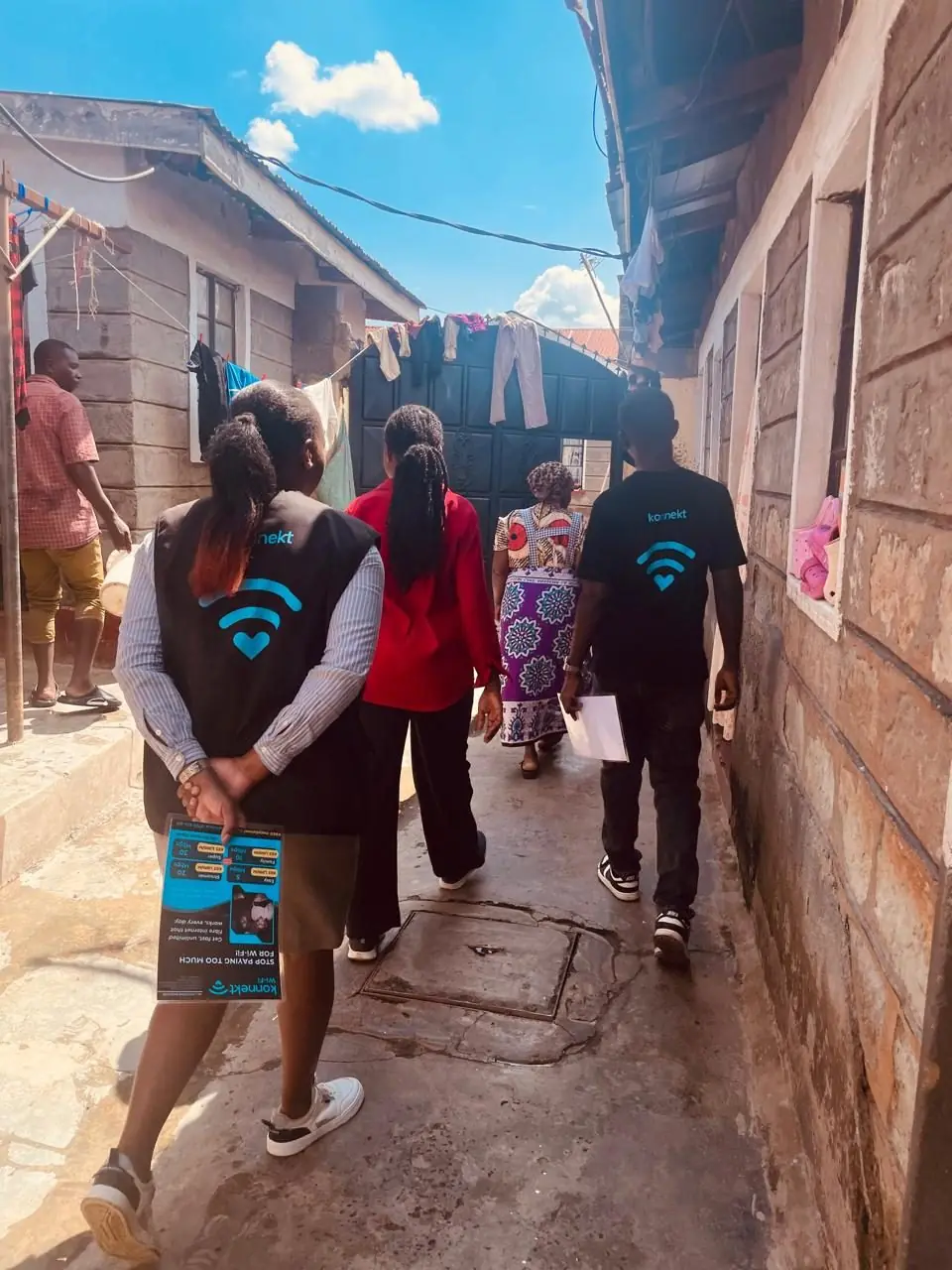
While infrastructure, affordability and literacy are clear challenges to digital inclusion, the greatest barrier of all is trust.
Why trust matters
Trust matters because these are vulnerable communities: households where every shilling or rupee counts. They are often taken advantage of through exploitative loan products, sky-high interest rates on microfinance, or services that promise opportunity but deliver disappointment. A household may live within range of fibre, own a smartphone and even afford a daily data bundle. Yet they hesitate. Why? Because they're not convinced the service will deliver. In this context, scepticism isn't resistance to innovation. It's survival. Without trust, the risk feels greater than the reward.
Lessons from adoption stories
Across industries and markets, mass adoption only happens when trust is earned:
- India, Jio's free trials: rather than promises, Jio let customers experience unlimited data and calls for free. By the time billing began, trust had been proven, and 100 million users joined rapidly.
- Kenya, KOKO Networks: ethanol cooking fuel was introduced through trusted neighbourhood shopkeepers. Visible fuel ATMs and signage became everyday trust markers, signalling legitimacy.
- M-Pesa's agent network: initially distrusted, mobile money became mainstream because customers could see and interact with familiar agents who guaranteed safe cash-in and cash-out.
- Pay-as-you-go solar: families paid small instalments with the ability to stop any time. Transparency and flexibility removed risk and unlocked adoption.
The pattern is clear: adoption spreads when companies remove fear by proving reliability.
How trust is broken
Yet trust is fragile and easily destroyed. Five recurring pitfalls stand out:
- Commission-driven sales that encourage overpromising, leading to disappointment and churn.
- Hidden costs, such as throttled “unlimited” bundles or surprise fees, that make customers feel tricked.
- Poor early reliability, where downtime or buffering among first users poisons entire communities.
- Weak customer support, where calls go unanswered and problems remain unresolved.
- Unlicensed ISPs that collapse or vanish overnight, undermining confidence across the whole sector.
How trust is built
Trust grows when small promises are kept and when companies take visible steps to show confidence in their own service:
- Be physically present through kiosks, agents or field teams. Physical visibility signals permanence: “We're here, and we're not disappearing.”
- Offer trials. Free or low-cost tests demonstrate belief in the product: “We believe in our service so much, we'll let you test it.”
- Avoid upfront fees. Pay-as-you-go models show faith in retention rather than fear of churn.
- Use visible trust signals. Certifications, seals of quality or digital “blue ticks” reassure customers that a service is regulated and real.
- Deliver exactly what's promised. A 24-hour voucher must last 24 hours.
- Provide real support. A timely, human response builds more trust than advertising.
- Rely on word of mouth. When a neighbour says “this one works”, adoption accelerates.
In mass markets, trust doesn't scale through billboards; it scales through people.
Redefining success
For the next billion users, success can't be defined by ARPU, churn or subscriber counts alone. The real test is whether customers believe in the service enough to stay, pay and advocate for it. How many customers renewed because the promise was kept? How many recommended the service without fear it would embarrass them? How many households now treat digital services as essential, not experimental? Trust must become a core performance metric. Without it, growth rests on sand. With it, adoption compounds.
The compounding advantage of trust
Once earned, trust delivers more than reduced churn; it creates a moat around long-term growth:
- Higher lifetime value, as customers stay longer and upgrade with confidence.
- Lower acquisition cost through organic referrals.
- Permission to expand into literacy, content, fintech or household services.
- Community advocacy that shields against unlicensed operators.
- Regulatory goodwill through demonstrated consumer protection.
- Resilience in downturns, as trusted services are treated as essentials.
- A brand as a moat, where reputation itself becomes the hardest thing to copy.
The bottom line
Infrastructure matters. Pricing matters. Literacy matters. But none of it works without trust. Trust can be destroyed instantly if promises and reality diverge. The companies that win won't just be those with the fastest networks or cheapest plans. They'll be the ones that deliver consistently and transparently until entire communities believe: this one works.